

Why College Is No Longer a Guarantee of a Good Job
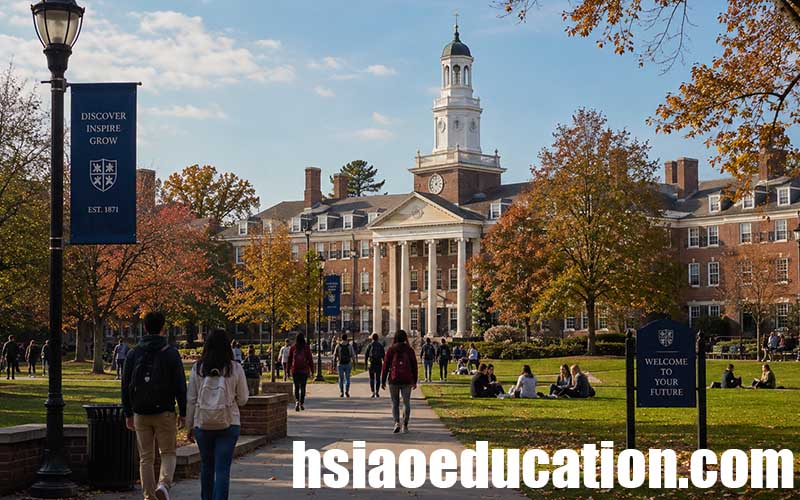
For many years, people believed that earning a college degree was the best path to a successful career. Parents encouraged their children to attend college because they believed it would lead to higher-paying jobs and a better future. While a college education can still provide many benefits, it is no longer a guarantee of getting a good job after graduation. Today’s job market has changed, and many graduates find themselves struggling to find employment that matches their education.
One of the biggest reasons a college degree is no longer a guarantee of success is the increasing number of people with higher education. Decades ago, having a degree made applicants stand out because fewer people had one. Today, millions of students graduate from colleges and universities every year. As a result, employers have a much larger pool of qualified candidates to choose from. Simply having a diploma is no longer enough to distinguish someone from the competition.
Another factor is that employers often value work experience as much as, or even more than, academic qualifications. Many companies prefer candidates who have completed internships, part-time jobs, volunteer work, or projects related to their field. Graduates who spent all of their time focusing only on their studies may discover that they are competing against applicants with practical experience. This creates a difficult situation because many entry-level jobs require experience, yet it is hard to gain experience without first getting hired.
The type of degree a student earns also plays a major role in employment opportunities. Some fields, such as engineering, nursing, computer science, and accounting, often have strong demand for qualified professionals. However, graduates from other majors may face a more competitive job market with fewer positions available. This does not mean that certain degrees are worthless, but it does mean that students should carefully consider career prospects before choosing a major. Passion is important, but understanding the job market is equally valuable.
Rapid technological change has also transformed the employment landscape. Automation, artificial intelligence, and digital technologies have replaced some traditional jobs while creating entirely new careers. Because industries evolve so quickly, the knowledge learned during college may become outdated unless graduates continue learning throughout their careers. Employers increasingly seek individuals who can adapt to change, solve problems, and learn new skills rather than simply rely on the education they received several years earlier.
Another challenge facing graduates is student debt. In many countries, students borrow significant amounts of money to pay for tuition and living expenses. After graduation, they may struggle to find jobs that pay enough to cover their loan payments while also meeting everyday living costs. This financial pressure can force graduates to accept positions outside their chosen field or jobs that require less education than they have obtained.
At the same time, many successful careers do not require a traditional four-year college degree. Skilled trades such as plumbing, electrical work, welding, and construction often offer excellent salaries and strong job security. In addition, the growth of online learning has made it possible for people to develop valuable technical skills through certification programs, coding boot camps, and professional training courses. Many employers now recognize these alternative qualifications, especially in fast-growing industries like technology and digital marketing.
Although college is not a guarantee of employment, it still offers important advantages. Students develop critical thinking, communication, research, and problem-solving skills that are useful in many careers. College also provides networking opportunities through professors, classmates, alumni, and internships. These connections can help graduates discover job opportunities that are not publicly advertised. Furthermore, many professions, including medicine, law, education, and engineering, still require formal university degrees.
Ultimately, earning a college degree should be viewed as one step in building a successful career rather than as a guaranteed ticket to a high-paying job. Success depends on a combination of education, practical experience, adaptability, networking, and continuous learning. Students who actively seek internships, build professional skills, and remain flexible in a changing job market are more likely to achieve their career goals.
In conclusion, while college remains a valuable investment for many people, it is no longer a promise of immediate employment or financial success. The modern workforce demands more than academic credentials alone. Graduates must be prepared to develop practical experience, learn new skills throughout their lives, and adapt to changing economic conditions. Those who combine education with determination and real-world experience will have the strongest chance of building a rewarding and successful career.