

The Dangers of Mercury: A Silent Threat to Human Health and the Environment
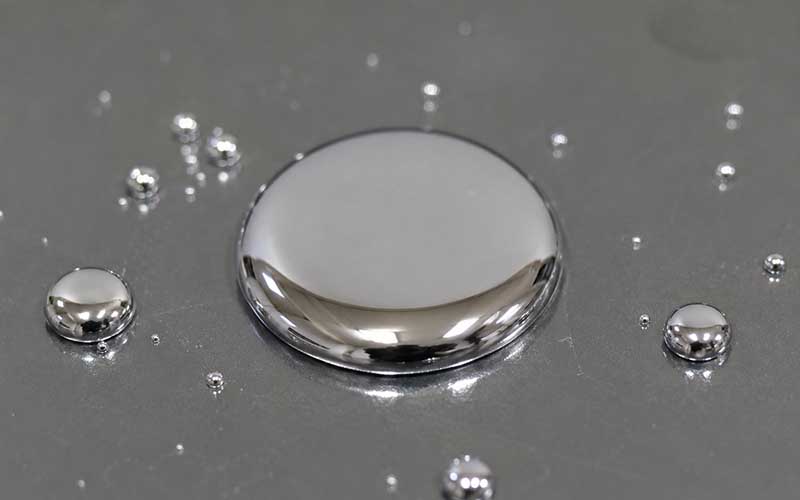
Mercury is a naturally occurring metal that has been used for centuries in products such as thermometers, fluorescent light bulbs, batteries, and industrial equipment. Although it has many practical applications, mercury is also one of the most toxic substances found in the environment. Even small amounts can pose serious risks to human health and wildlife. Because mercury is invisible, odorless, and capable of spreading through air and water, it is often called a silent threat. Understanding the dangers of mercury is essential for protecting both people and the environment.
Mercury exists in three main forms: elemental (metallic) mercury, inorganic mercury compounds, and organic mercury compounds such as methylmercury. Each form affects living organisms differently, but all can be harmful. Elemental mercury is commonly found in older thermometers and some industrial processes. When spilled, it evaporates into the air, and inhaling the vapor can cause severe health problems. Methylmercury, the organic form, is particularly dangerous because it accumulates in fish and seafood, making it a major source of human exposure.
Exposure to mercury can affect nearly every organ in the body, especially the brain and nervous system. Symptoms of mercury poisoning depend on the type and amount of exposure. Short-term exposure to high levels of mercury vapor may cause coughing, difficulty breathing, nausea, headaches, and chest pain. Long-term exposure can lead to memory loss, tremors, mood changes, insomnia, muscle weakness, and difficulty concentrating. In severe cases, mercury poisoning may result in kidney damage, respiratory failure, or even death.
Children and unborn babies are especially vulnerable to mercury exposure. During pregnancy, methylmercury can cross the placenta and interfere with the developing brain and nervous system of the fetus. This may lead to learning disabilities, reduced IQ, delayed speech, poor coordination, and other developmental problems. Young children are also more sensitive because their brains continue to develop after birth. As a result, health organizations recommend that pregnant women and young children limit their consumption of fish known to contain high levels of mercury, such as shark, swordfish, king mackerel, and tilefish.
Mercury also has significant environmental impacts. Coal-burning power plants, mining operations, waste incineration, and certain manufacturing industries release mercury into the atmosphere. Once airborne, mercury can travel long distances before settling into rivers, lakes, and oceans. There, microorganisms convert it into methylmercury, which enters the aquatic food chain. Small organisms absorb the toxin, larger fish eat the smaller ones, and the concentration of mercury increases at each level of the food chain through a process known as biomagnification. Top predators, including large fish, birds, and marine mammals, often contain the highest mercury levels.
Wildlife exposed to mercury may suffer from impaired reproduction, weakened immune systems, behavioral changes, and reduced survival rates. Birds that consume contaminated fish may lay fewer eggs or produce offspring with developmental abnormalities. Aquatic ecosystems can be disrupted as mercury affects multiple species, threatening biodiversity and ecological balance.
Preventing mercury exposure requires both individual and collective action. At home, people should handle mercury-containing products carefully and dispose of them through hazardous waste collection programs rather than throwing them in regular trash. If a mercury thermometer breaks, the spilled mercury should never be cleaned with a vacuum cleaner, as this can spread toxic vapor throughout the room. Instead, proper cleanup procedures should be followed, and local environmental authorities should be consulted if necessary.
Governments and international organizations also play a vital role in reducing mercury pollution. Many countries have introduced regulations to limit industrial mercury emissions and phase out mercury-containing products. International agreements encourage cooperation in reducing mercury use, promoting safer alternatives, and protecting public health. Advances in technology have also made it possible to replace mercury in many medical devices and industrial applications with less hazardous materials.
In conclusion, mercury is a highly toxic substance that presents serious risks to both human health and the environment. Its ability to accumulate in living organisms and spread through ecosystems makes it particularly dangerous. While exposure can cause neurological, developmental, and kidney damage, proper regulation, responsible waste disposal, and public awareness can significantly reduce these risks. By understanding the dangers of mercury and taking preventive measures, individuals and societies can help create a healthier and safer environment for future generations.